24/7 Emergency Service
(704) 385-1018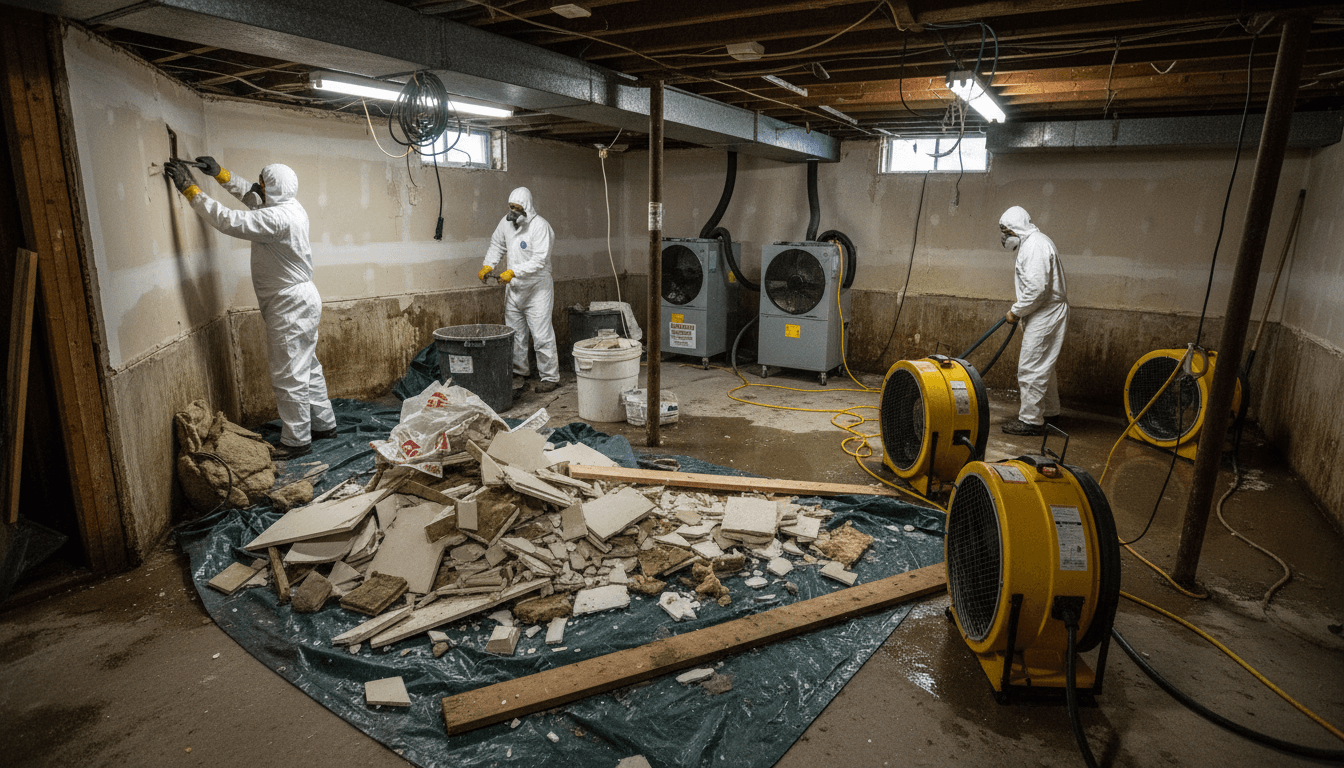
Flood Damage Cleanup
Complete flood damage cleanup and restoration for Charlotte homes hit by storms, flash flooding, or rising water.
Charlotte sits in a region where flash flooding, creek overflow, and tropical storm remnants are a recurring reality. The city's rapid development has increased impervious surface area — parking lots, rooftops, compacted soil — which means more stormwater runoff with fewer places for it to go. When the rains come hard and fast, neighborhoods near Sugar Creek, Briar Creek, Little Sugar Creek, McAlpine Creek, and Irwin Creek are among the first to feel it.
Flood damage goes far deeper than standing water. Floodwater carries sediment, sewage, chemicals, and biological contaminants from everything it contacts on its path to your home. Once inside, it saturates drywall, insulation, flooring, and personal belongings with contaminated water that poses real health risks if not properly remediated. At Charlotte Water Damage Restoration, we handle the full scope of flood damage cleanup — from initial water removal through final restoration.
Our flood damage response begins within the hour. When you call (704) 385-1018, our crews mobilize with commercial extraction equipment, personal protective gear, and antimicrobial treatment supplies. We extract standing water, then begin the process of identifying and removing materials that can't be saved — waterlogged drywall, saturated insulation, destroyed carpet pad, and any structural materials showing signs of contamination.
Charlotte's flood history shapes our approach. The city has experienced significant flooding events tied to hurricanes (Hugo in 1989, Florence in 2018, Ian in 2022) and severe thunderstorms that dump several inches in under an hour. Many Charlotte neighborhoods were built in floodplain areas before current regulations, and older homes along the creek corridors sit in zones where rising water is a known risk. We understand the pattern: the initial flood, the slow recession, and the secondary damage from trapped moisture in crawl spaces and wall cavities that homeowners often miss.
After extraction and debris removal, we apply antimicrobial treatments to every affected surface. Floodwater is classified as Category 3 (black water) by the IICRC because it contains sewage, agricultural runoff, and chemical contaminants. This classification dictates our cleanup protocol: affected porous materials like drywall, insulation, carpet, and particle board must be removed and replaced rather than dried in place.
We then set up our structural drying configuration — commercial air movers positioned for optimal airflow, desiccant dehumidifiers to pull moisture from the air and materials, and HEPA air scrubbers to filter out mold spores and particulates stirred up during the cleanup process. In Charlotte's humid subtropical climate, dehumidification is especially critical. Summer dew points regularly exceed 70 degrees, meaning the ambient air itself carries enough moisture to slow drying or even re-wet materials if not controlled.
Our crew monitors the drying process daily with moisture meters and thermal imaging. We document every reading for your insurance claim. For flood damage specifically, we also coordinate with FEMA documentation requirements if you need to file a National Flood Insurance Program (NFIP) claim — a separate process from standard homeowner's insurance that many Charlotte homeowners in designated flood zones carry.
Once structural drying is complete, we move into the restoration phase. This includes replacing drywall, insulation, flooring, and trim as needed. We work with licensed contractors for electrical and plumbing repairs that the flood may have compromised. The goal is returning your home to pre-loss condition: dry, rebuilt, sanitized, and safe to live in again.
If your home has been flooded, don't wait for the water to recede on its own. Every hour of standing water increases the scope of damage and the cost of restoration. Call (704) 385-1018 now — our flood damage crews are available 24/7 and pre-position during severe weather events so we can respond faster when Charlotte needs us most.
Our process
How we handle flood damage cleanup in Charlotte, step by step.
- 1
Emergency flood response
Crews mobilize immediately with commercial extraction equipment, PPE, and antimicrobial supplies. We arrive prepared for contaminated water handling.
- 2
Water extraction & debris removal
Standing floodwater is pumped out and flood-borne debris, sediment, and unsalvageable materials (saturated drywall, insulation, carpet pad) are removed and properly disposed of.
- 3
Antimicrobial treatment
All affected surfaces are treated with hospital-grade antimicrobial agents to eliminate bacteria, viruses, and other biological contaminants carried by floodwater.
- 4
Structural drying & dehumidification
Commercial air movers, desiccant dehumidifiers, and HEPA air scrubbers are deployed. Daily moisture monitoring tracks drying progress across all affected materials.
- 5
Insurance & NFIP documentation
Detailed photos, moisture logs, and damage reports are prepared for your insurance carrier. For NFIP claims, we provide the specific documentation FEMA requires.
- 6
Restoration & rebuild
Drywall, insulation, flooring, and trim are replaced. Electrical and plumbing systems are inspected and repaired. Your home is returned to pre-loss condition.
Frequently asked questions
Common questions about flood damage cleanup in Charlotte.
Need Flood Damage Cleanup?
Call now for immediate 24/7 emergency response in Charlotte, NC.
(704) 385-1018